
Call 214-506-0671


Recent Blog Posts
The 39-Country Ban Is Still in Effect: What Changed and What Didn't
Confused about the 39-Country ban vs. the 75-County Visa Freeze?

The 39-country ban is a presidential proclamation that started January 1st, 2026, and it is still blocking immigrant visas right now. If you're a national of one of the 39 banned countries, your ability to immigrate to the United States has been significantly restricted. But if you've been hearing about both the 39-country ban and a 75-country visa freeze, you're not wrong to be confused. They're two completely different policies from two different government agencies, and only one is still standing in August 2026.
The distinction matters for your immigration case. Here's what you need to know about the 39-country ban, how it works, and how it differs from the 75-country freeze that was recently struck down by a federal court.
The 39-Country Ban: Presidential Proclamation Based on National Security
The 39-country ban came from the President as a national security measure under a presidential proclamation. It is still in effect as of August 2026.
USCIS Public Charge Rule Changes: Answers to Your Questions
A Simple Guide to Who This Affects and What It Means
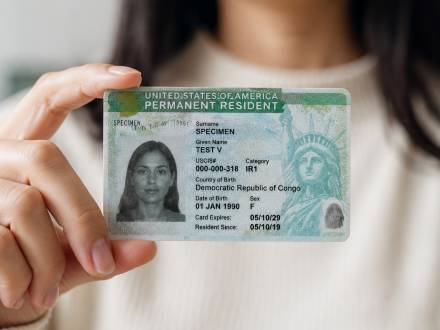
USCIS just announced new rules about public charge that take effect September 18, 2026. If you're applying for a green card, sponsoring a family member, or already in the immigration process, you might be wondering: Does this affect me? What exactly changed? Do I need to do anything differently?
This guide answers the most common questions in plain English.
What Is Public Charge, and Why Should I Care?
Public charge is an immigration rule that can block you from getting a green card if the government thinks you'll become dependent on government benefits.
Think of it this way: When you apply for a green card, USCIS asks, "Will this person be able to support themselves without depending on government help?" If they say no, they can deny your application.
75-Country Pause Lifted: What This Means For Your Case
BREAKING NEWS: This ruling was issued on August 21, 2026. If your visa application was stuck due to the 75-country pause, this changes things for you.
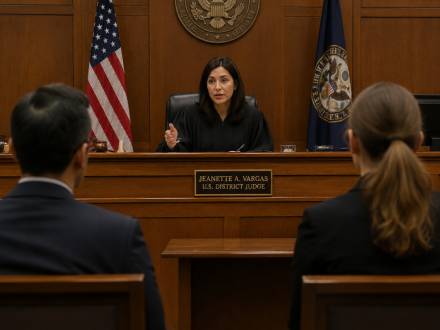
BREAKING NEWS: This ruling was issued on August 21, 2026. If your visa application was stuck due to the 75-country pause, this changes things for you.
What Happened: The Judge's Decision
On August 21, 2026, U.S. District Judge Jeanette A. Vargas ruled that the State Department's 75-country visa pause was illegal. This pause had blocked immigrant visas for people from 75 countries starting in January 2026.
The judge found that the policy violated federal immigration law in two main ways:
- It discriminated based on nationality (which the law prohibits)
- It misused the "public charge" rules in a way Congress never allowed
This is good news if your case has been stuck because of this pause.
Immigration Case Taking Too Long? Here's What You Can Do About It
When Your Immigration Case Gets Stuck: Understanding Your Options

If you filed an immigration case and it's taking far longer than expected, you're not alone. USCIS processing times can stretch months or even years, leaving families separated and applicants in limbo. Whether you're in California, the Bay Area, or anywhere across the United States, waiting indefinitely isn't your only option. If your immigration case is taking too long, there are legal remedies available, and an attorney's letter could be the first step toward getting your case moving again.
This guide explains mandamus, a powerful legal tool for applicants whose immigration cases have stalled, and how an immigration attorney can help. Our Concord, California office has helped clients nationwide navigate delayed immigration cases, and we're here to explain how mandamus might work for you.
What Is Mandamus?
Mandamus is a legal remedy that compels a government agency (in this case, USCIS or another immigration authority) to take action on a case that should have been completed. The term comes from Latin and means "we command."
USCIS E-Filing Rule: What You Need to Know About Filing Immigration Forms Online
USCIS UPDATE: E-Filing Rule
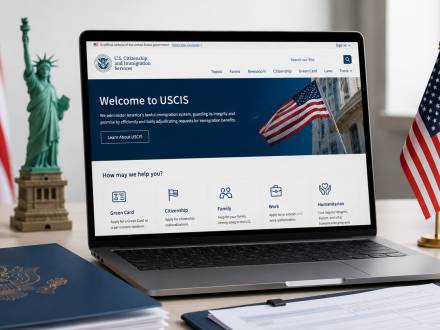
Starting this month, USCIS is moving toward requiring more immigration forms to be filed online. If you're applying for a green card, asylum, citizenship, or any other immigration benefit, this change will eventually affect you. Here's what's happening and what you need to do now.
What Changed?
On August 11, 2026, USCIS announced a new rule that lets them require electronic filing for immigration forms. This is a big shift—for years, people could mail paper forms to USCIS lockbox addresses. That option is going away.
The rule doesn't make all forms online-only immediately. Instead, USCIS can now require e-filing for any form that has been available online for at least 180 days. When they decide to make a form mandatory e-filing, they have to give you 60 days' notice first.
Which Forms Will This Affect?
Eventually, this could affect almost every immigration benefit:
- Green card applications (Adjustment of Status applications)
Your TPS Is Ending - What You Need To Know
What is Temporary Protected Status (TPS)?

Temporary Protected Status (TPS) is a special immigration benefit that allows foreign nationals from designated countries experiencing ongoing armed conflict, environmental disasters, or epidemics to live and work in the United States on a temporary basis. TPS designations are time-limited and subject to renewal or termination by the U.S. Department of Homeland Security (DHS).
TPS Has Recently Ended or Is Ending
As of July 2026, Temporary Protected Status for the following countries has ended or is ending:
Countries Where TPS Has Already Ended:
• Afghanistan (ended July 2025)
• Cameroon (ended August 2025)
• Nepal (ended August 2025)
• Nicaragua (ended September 2025)
Countries Where TPS Is Ending in July/August 2026:
• Syria (July 24, 2026)
• Somalia (July 24, 2026)
• Yemen (July 24, 2026)
USCIS Just Changed Asylum Cases Forever. Here's What You Need to Know
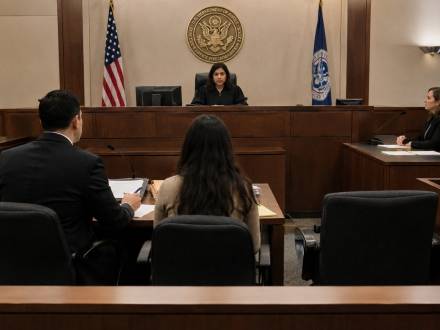 USCIS announced a major rule change today-July 27, 2026. It's already in effect. They can now skip your asylum interview entirely and send your case straight to immigration court without ever talking to you first. If you're applying for asylum or thinking about applying, you need to understand what this means for you right now.
How Asylum Used to Work
There are two paths to asylum in the United States.
If you're already living in the country and you want asylum, you apply to USCIS directly. This is called affirmative asylum. You file your paperwork, they schedule an interview with an asylum officer, and you get a chance to sit down and tell your story. The officer listens. They ask questions. If they believe you qualify for asylum, they approve you and you stay. If they think you don't qualify, they refer your case to immigration court—but you get another chance to present your case in front of a judge.
If you're in removal proceedings—if ICE arrested you or you were caught at the border—you're fighting deportation in immigration court. This is called defensive asylum. A judge presides. An ICE attorney argues that you should be deported. You fight back. It's adversarial and formal.
DHS Rescinds 2022 Public Charge Rule: What Green Card Applicants Need to Know Before September 18, 2026
Breaking: Major Changes to Green Card Public Charge Rules in 2026
 On July 20, 2026, the Department of Homeland Security (DHS) announced a critical policy shift that will fundamentally change how USCIS evaluates green card applicants. The agency has officially rescinded the 2022 public charge regulation, replacing it with a broader discretionary framework that gives immigration officers significantly more authority to deny applications.
If you're applying for a green card or planning to submit an adjustment of status application, this change directly affects you. Here's everything you need to know.
What is the Public Charge Rule?
The public charge doctrine is a longstanding immigration law principle that makes someone deportable if they're deemed likely to become a burden on public resources. For decades, immigration officers have used various standards to determine what "public charge" means—but those standards have been inconsistent and controversial.
ICE Ordered to Stop Most Traffic Stops: What You Need to Know
 Homeland Security Secretary Markwayne Mullin ordered U.S. Immigration and Customs Enforcement (ICE) to halt most traffic stops and vehicle-based immigration enforcement operations. This major shift in immigration enforcement strategy follows two fatal shootings by ICE agents in Texas and Maine during routine traffic stops in July 2026.
This policy change represents one of the largest restructurings of federal immigration enforcement in recent years. If you're affected by ICE enforcement or concerned about immigration issues, here's what you need to know.
Why ICE Stopped Conducting Most Traffic Stops
Two fatal incidents exposed serious flaws in ICE traffic stop procedures:
Marrying a U.S. Citizen No Longer Protects You From Deportation

For decades, spouses of U.S. citizens held a privileged place in immigration law: no visa caps, and often no need to have maintained legal status to adjust. That era is over. Can you be deported if you're married to a U.S. citizen in 2026? USCIS spokesman Zach Kahler recently confirmed the answer is yes - a pending or even approved I-130 petition "does not confer any immigration status." Anyone who entered without inspection or overstayed a visa remains subject to deportation, marriage notwithstanding.
Why a Marriage-Based Green Card No Longer Stops Deportation
- USCIS marriage interviews are adversarial now. Waiver rates for marriage-based green card interviews have dropped from over 90% to roughly 6–9%. Officers increasingly interview spouses separately and compare answers for inconsistencies.
